How to Choose a Cake Pop Maker
Recommended picks

Wattage and Heat Output
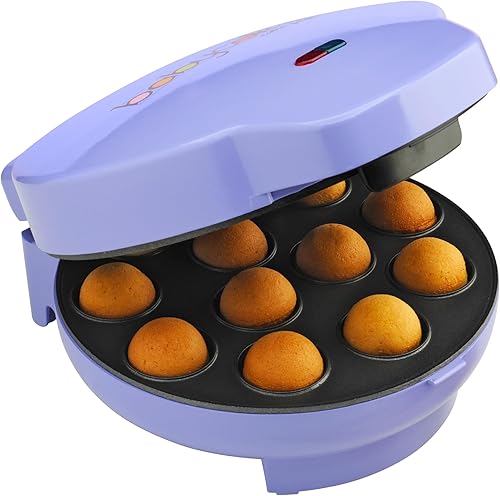
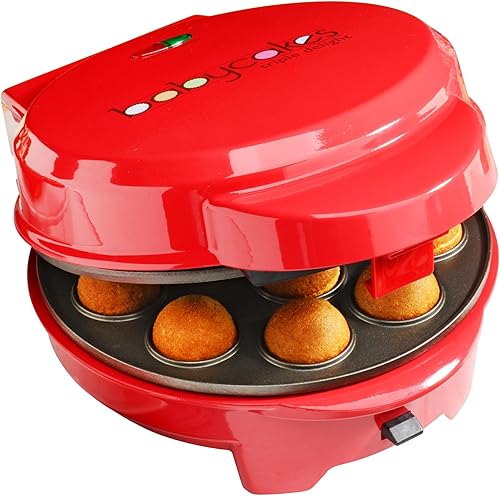
Wattage is the single clearest predictor of how quickly and evenly a cake pop maker heats. Models like the Babycakes CPM-20 run at 500W, which is enough for a small batch every 10 to 15 minutes. The Babycakes CP-12 steps up to 800W and the Brentwood RA34795 reaches 1,000W, cutting preheat time and reducing the chance of underdone centers. If you bake pops only a few times a year, 500W is perfectly adequate. If you are making multiple rounds in one session, the extra wattage of a 760W or 1,000W model will save you time and reduce the risk of raw middles.
Mold Count and Batch Size
Cake pop makers are sold in single-session footprint sizes, typically making 8 to 12 pops at once for home units. The Babycakes CPM-20, at just 8.56 x 6.14 inches and 1.7 lb, handles smaller batches and stores easily in a cabinet. The Babycakes MT-6 is a bit larger at 8.35 x 10.35 inches but still under 4.1 lb. For commercial or high-volume baking, the Babycakes CP-48R at 5.45 lb is built for repeated cycles. Match the mold count to how many pops you realistically need per session, since running many small batches back-to-back stresses the heating element over time.
Build Material and Durability
Most cake pop makers use plastic housings, which keeps the weight low, typically between 1.0 lb and 4.0 lb, and the price under $40. Plastic units from Babycakes and Disney have proven durable enough to earn thousands of reviews with ratings above 4.3. If you want a more premium feel, the Holstein Housewares HH-09037023L uses stainless steel trim alongside plastic and weighs 3.9 lb, priced at around $36. The Bestron DCPM12M uses a plastic and metal combo but is rated at 220 volts, making it suitable only for European outlets without a converter. Always confirm the voltage before buying if you are in the United States.
Price vs. Review Volume
Price range in this category runs from about $24 to $280. The Babycakes CPM-20 at $23.98 has over 12,200 reviews and a 4.3-star rating, which is hard to argue against for a budget pick. The Babycakes CP-12 at $36.99 has 4,700 reviews at 4.3 stars and draws 50 buyers per month, signaling it is still actively popular. The Babycakes CP-48R at $279.95 has only 34 reviews, which makes it a harder recommendation despite its 4.2-star average. As a rule, a model with fewer than 200 reviews needs more scrutiny, regardless of its rating.
Weight and Storage
If counter space or cabinet storage is a concern, weight and footprint matter. The Disney DCM-8 and the Uncanny Brands Hello Kitty model are both 1.0 to 1.7 lb and compact, making them easy to tuck into a drawer. The Brentwood RA34795 measures 8.9 x 11.1 inches and weighs 2.7 lb, which is still manageable. For dedicated bakers who will leave the machine on the counter, the extra bulk of a heavier unit is less of a factor. Lighter units under 2 lb are best if you bring the appliance out only occasionally.
Branded Designs and Novelty Factors
Some cake pop makers are sold under licensed brands like Disney and Uncanny Brands (Hello Kitty), with prices around $30. These units typically use the same 500W internals as generic equivalents, so the main difference is the color and branding on the housing. The Disney DCM-8 at 4.5 stars across 1,500 reviews performs just as well as non-licensed options in its price range. If you are buying as a gift for a child or a fan of a specific character, these are a reasonable choice. For pure baking performance, focus on wattage and review count regardless of the design on the lid.
Common mistakes to avoid
- Buying a 220V model for a US kitchen without checking the voltage label, which requires a separate converter to avoid damaging the unit.
- Overfilling the molds past the fill line, which causes batter to leak into the hinge and makes cleanup much harder.
- Skipping preheat time and adding batter before the plates are fully hot, which results in flat or undercooked bottoms.
- Choosing a model based on price alone without checking review count, since a 4.5-star rating on 30 reviews is far less reliable than 4.3 stars on 4,700 reviews.
- Not greasing the molds lightly before the first use, which can cause pops to stick even on non-stick surfaces during break-in.
- Pulling pops too early because the indicator light turns off, when many machines need another 30 to 60 seconds after the light signals ready for a fully set center.
Frequently asked questions
How many watts do I need in a cake pop maker?
For occasional home use, 500W is sufficient. If you plan to make multiple batches in one session, look for 760W to 1,000W to reduce cook time and get more consistent results through the center of each pop.
Are cake pop makers hard to clean?
Most plastic models wipe down easily with a damp cloth once cool. The biggest cleanup issue comes from overfilling the molds, which pushes batter into the hinge. Filling just below the mold rim and a light grease before first use will keep cleanup simple.
Can I use boxed cake mix in a cake pop maker?
Yes. Standard boxed cake batter works well. Many bakers thicken the batter slightly by reducing the liquid by a tablespoon or two, which helps the pops hold a round shape rather than spreading flat.
What is the difference between a cake pop maker and a cake pop mold?
A cake pop maker is an electric appliance that cooks the batter directly into ball shapes. A cake pop mold is a silicone or plastic form used in a conventional oven. The appliance is faster and requires no oven preheat, while the mold gives you more control over batter type and is cheaper to buy.
Who should I contact with questions about this guide?
Reach out to the ChPizza editorial team at hello@chpizza.com and we will get back to you.