Bread Machine vs Store-Bought Bread: Does It Save Money?
A bread machine can pay for itself, but only if you bake often enough and compare it to the right type of store bread.
A decent bread machine runs anywhere from about $100 to $250 for most home bakers, and the question of whether it saves money depends heavily on what you are comparing it to. If your household goes through a loaf or two of basic sandwich bread each week, the math can work in your favor within a year. If you mostly buy artisan sourdough or specialty loaves, the comparison gets more complicated. This article breaks down the real numbers so you can decide whether the investment makes sense for your household.
Products mentioned in this post


What a Loaf Actually Costs to Make at Home
A standard white or wheat loaf made in a bread machine uses flour, yeast, salt, a little oil, and water. A five-pound bag of all-purpose flour yields roughly five to six loaves and costs around $3 to $4 at most grocery stores. Yeast, salt, and oil add maybe 20 to 30 cents per loaf at typical quantities. Electricity is a minor factor since most bread machines draw 500 to 700 watts and run for about three hours, which comes out to under 15 cents per loaf at average U.S. rates. All in, a homemade loaf typically costs 75 cents to $1.25 depending on your ingredient choices. That is a firm number you can count on repeating every bake.
What You Pay for Store-Bought Bread
Basic store-brand sandwich bread sits around $3 to $4 per loaf at most chains as of mid-2026. Name-brand sandwich bread like Pepperidge Farm or Dave's Killer Bread runs $5 to $7. Artisan loaves from bakery sections or local bakeries can hit $8 to $12. If your family is spending $5 a week on bread, that is $260 a year. At $7 a week, you are at $364 annually. The comparison matters because the bread machine savings are largest when you are displacing mid-range and premium store bread, not the cheapest white loaf on the shelf.
How Long Before the Machine Pays for Itself
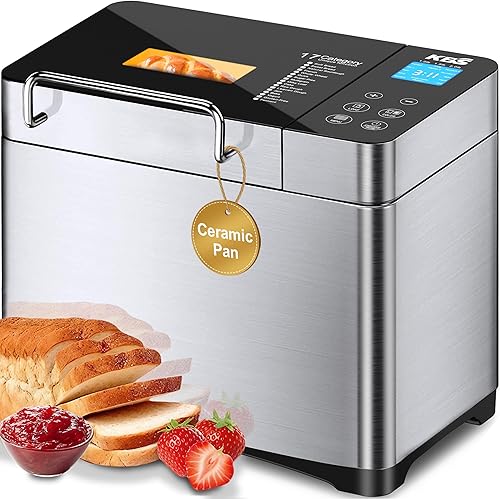
Take the Cuisinart CBK-110P1ES at $119.95, which carries over 16,000 reviews and a 4.4-star rating, making it one of the most proven options at that price. If you bake one loaf per week and save $3.50 per loaf versus a $4.50 store loaf, you save about $182 per year on bread. That puts payback at under eight months. At $2.50 savings per loaf, payback stretches to just under a year. The KBS MBF-010 at $129.99 and the KBS MBF-014A at $129.99 are in the same range, both with thousands of reviews and 4.4 stars, so the investment level is similar across the popular mid-range segment. Baking two loaves per week cuts payback time roughly in half.
Ingredient Quality Changes the Math
One real advantage of homemade bread is that you control what goes in it. Bread machine owners often graduate from basic flour to bread flour, which produces a better crumb and costs a bit more, or they add mix-ins like seeds, nuts, or dried fruit. A loaf made with bread flour and a handful of sunflower seeds might cost $1.75, but it also replaces a $6 specialty store loaf, keeping the savings solid. On the other hand, if you start buying premium organic flour and specialty yeasts, your per-loaf cost can creep toward $2.50 or more. The savings are real but they require some attention to ingredient costs as your baking evolves.
When a Bread Machine Is Worth It
The machine makes financial sense if you bake at least once a week consistently, you currently spend $5 or more on a store loaf, and you enjoy the process enough to keep doing it. Households with dietary restrictions get additional value since gluten-free, low-sodium, or allergen-free loaves can be expensive or hard to find in stores. Families that go through two or more loaves per week see the strongest return. If you bake sporadically, a few times a month at most, the savings are modest and the decision comes down to whether you value fresh bread and the baking experience itself.
When Store-Bought Bread Is the Better Choice
If your household only goes through half a loaf per week, or your primary bread type is a cheap store-brand loaf at $3, the machine may never fully justify its cost on savings alone. Buying a premium machine in the $300 to $500 range to replace a $3 loaf is nearly impossible to justify financially. Store bread is also more convenient when schedules are unpredictable since you can grab a loaf on demand without planning ahead. There is no wrong answer here, and for many buyers the decision comes down to enjoyment and dietary control as much as pure cost savings.
Frequently asked questions
How much does it cost to make one loaf in a bread machine?
For a basic white or wheat loaf, ingredient costs typically fall between 75 cents and $1.25 per loaf. Electricity adds less than 15 cents at average U.S. rates since bread machines run at 500 to 700 watts for about three hours. Using premium flour or add-ins like seeds and nuts can push the cost toward $1.75 to $2.50 per loaf.
How long does it take a bread machine to pay for itself?
At a purchase price around $120 to $130 and savings of $3 to $4 per loaf versus a mid-range store loaf, a once-weekly baker typically reaches payback in 8 to 12 months. Baking twice a week cuts that time roughly in half. If you are only replacing a $3 store-brand loaf and saving $2 per bake, payback takes closer to 18 months.
Does homemade bread taste better than store-bought?
Most people find fresh homemade bread noticeably better in texture and flavor, especially within the first day or two of baking. It has no preservatives or dough conditioners, which gives it a simpler, more direct flavor. The tradeoff is that it goes stale faster, usually within two to three days at room temperature.
Can a bread machine save money if you eat gluten-free bread?
Yes, this is one of the strongest financial cases for a bread machine. Gluten-free store bread typically costs $6 to $9 per small loaf. Making gluten-free bread at home with a machine that has a dedicated gluten-free program costs roughly $2 to $3 per loaf in specialty flour and other ingredients. Payback at that savings rate can happen in just a few months for a regular baker.
Is it cheaper to use a bread machine or a stand mixer and oven for homemade bread?
The ingredient cost is the same either way. The difference is electricity and convenience. A bread machine handles mixing, rising, and baking in one appliance with minimal attention. An oven typically draws 2,000 watts or more and runs for 30 to 45 minutes, adding a few cents more per loaf versus a bread machine. For sheer convenience and energy efficiency, a bread machine has a slight edge over the oven route.