How to Make Bread Dough in a Stand Mixer
A stand mixer takes the hard work out of kneading bread dough, but getting the speed, time, and hydration right makes the difference between a good loaf and a great one.
Kneading bread dough by hand for 10 minutes is tiring, and it is easy to under-knead without realizing it. A stand mixer with a dough hook does the job consistently in about the same amount of time, with less effort on your part. The key is knowing which speed to use and how to recognize when the dough is actually done. This guide walks through the whole process from combining your ingredients to pulling a properly kneaded dough out of the bowl.
Products mentioned in this post

Gather Your Ingredients Before You Start
Bread dough requires a few basic ingredients: bread flour, water, salt, yeast, and usually a small amount of sugar or oil. Bread flour has a higher protein content than all-purpose flour, which gives your dough more structure and chew. Measure everything by weight if you can, because cup measurements for flour vary widely depending on how tightly packed the flour is. Warm your water to around 100 to 110 degrees Fahrenheit before adding yeast. Water that is too cold will slow the yeast down, and water that is too hot will kill it.
Set Up the Bowl and Dough Hook
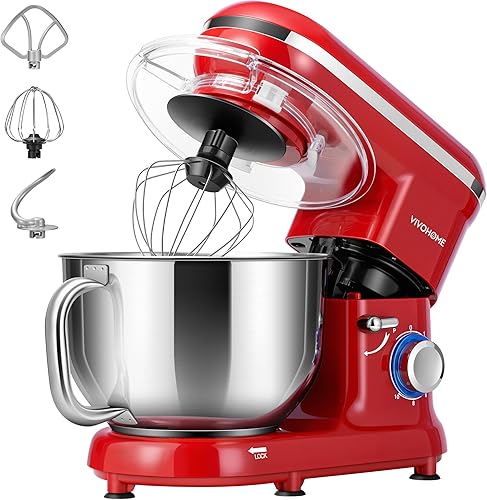
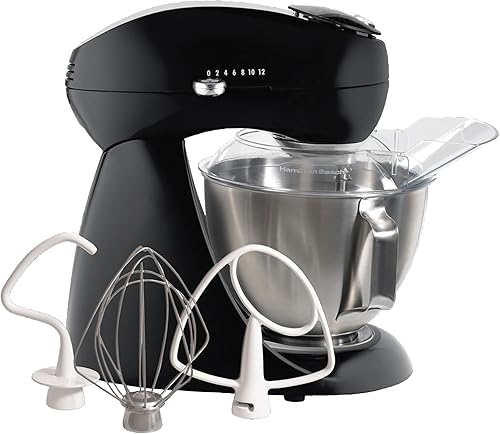
Attach the dough hook to your stand mixer before adding anything to the bowl. Most home stand mixers, including models with 4.5 to 6.5 quart bowls, handle a standard loaf recipe calling for 3 to 4 cups of flour without any problem. Add your dry ingredients to the bowl first, then pour the liquids in around the edges. This order helps the yeast and salt stay separated until mixing starts, which matters because salt can slow yeast activity if they sit in direct contact too long. Do not fill the bowl more than about halfway, as dough expands as it is worked.
Combine on Low Speed First
Start the mixer on the lowest speed setting to bring the ingredients together into a shaggy mass. This usually takes about 2 minutes. Running the mixer too fast at this stage throws flour out of the bowl and causes uneven mixing. Once no dry flour is visible and the dough has come together into a rough ball, you are ready to increase the speed for kneading. Resist the urge to add more flour at this point, even if the dough looks a little sticky. Most bread doughs start sticky and tighten up during kneading.
Knead at the Right Speed
Move the mixer up to a medium-low speed, typically speed 2 on a 10-speed machine or speed 4 on a 12-speed machine. Kneading at too high a speed causes the motor to work harder than necessary and can heat the dough, which speeds up fermentation before you want it to. At medium-low, let the mixer run for 6 to 8 minutes. The dough should pull away cleanly from the sides of the bowl and wrap around the hook. Machines with more wattage, such as models rated at 650 to 660 watts, tend to handle stiffer doughs like whole wheat with more ease than lower-wattage units.
Check for the Windowpane
The windowpane test is the most reliable way to tell if your dough is ready. Pull off a small piece of dough and gently stretch it between your fingers. If the dough stretches thin enough that light passes through without tearing, the gluten is fully developed and the dough is done. If it tears quickly, put it back in the bowl and knead for another 2 minutes before testing again. Over-kneading in a stand mixer is possible but takes longer than most people expect, so one extra pass usually will not hurt.
First Rise and What to Do Next
Once kneading is done, shape the dough into a ball and transfer it to a lightly oiled bowl. Cover the bowl with plastic wrap or a damp towel and let the dough rise in a warm spot until it has roughly doubled in size, which takes about 1 to 2 hours depending on your yeast and room temperature. After the first rise, punch the dough down gently to release gas, then shape it for your pan or baking surface. A second shorter rise of 30 to 45 minutes before baking gives the loaf better texture and flavor.
Common Problems and Quick Fixes
If your dough is not coming together after 3 minutes on low, add water a tablespoon at a time until it forms a mass. If the dough is climbing up the hook rather than staying low in the bowl, this is called roping and usually means the dough is over-hydrated or the speed is too high. Drop the speed down one notch and check after a minute. If your finished loaf is dense, the most likely culprits are under-kneading, yeast that did not activate properly, or too much flour added during mixing. The stand mixer itself rarely causes problems as long as the dough hook is seated correctly and the bowl is locked in place before starting.
Frequently asked questions
What speed should I use to knead bread dough in a stand mixer?
Use the lowest speed to bring ingredients together, then move to medium-low for kneading. On a 10-speed machine that is typically speed 2, and on a 12-speed machine it is around speed 4. Higher speeds do not knead faster and can overheat the dough or strain the motor.
How long does it take to knead bread dough in a stand mixer?
Plan for about 6 to 8 minutes at medium-low speed after the initial mixing. Stiffer doughs like whole wheat may need a couple of extra minutes. Check with the windowpane test rather than relying on time alone, since flour type and hydration affect how quickly gluten develops.
Can a small stand mixer handle bread dough?
A mixer with a bowl smaller than 4.5 quarts may struggle with a full loaf recipe. If your bowl is on the smaller side, halve the recipe or stick to softer doughs. Models rated around 250 watts can manage light bread doughs for one loaf, but they work harder and may overheat if you push them with dense whole-grain recipes.
Why is my dough climbing up the dough hook?
This is called roping and it usually happens when the dough is too soft or the speed is too high. Try dropping down one speed level. If the dough is very wet, add flour a tablespoon at a time until it forms a more cohesive ball and stays lower in the bowl.
Can I mix the dough and come back to it later?
Yes. After the first rise you can punch the dough down, cover it tightly, and refrigerate it for up to 24 hours. Cold fermentation actually improves flavor. Bring the dough back to room temperature before shaping and allow extra time for the second rise since the dough will be cold.