How to Make Crispy Waffles Every Time
A few specific changes to your batter and technique are all it takes to go from soft, limp waffles to ones with a real crunch.
Soggy waffles are usually a batter problem or a heat problem, and both are easy to fix. The goal is a waffle with a crisp outer shell that holds up even after syrup hits it. Most home waffle irons put out plenty of heat to get there, but the batter needs to cooperate. These tips cover what actually matters, without any guesswork.
Products mentioned in this post

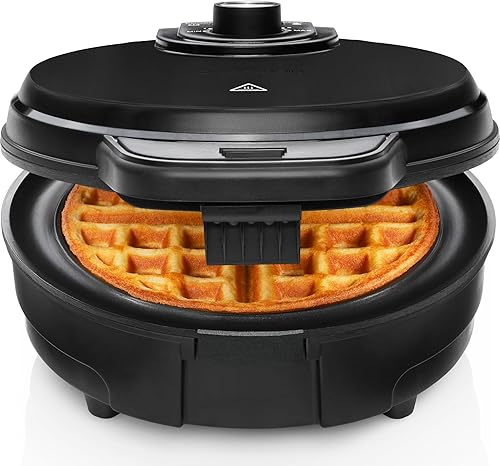

Use Oil Instead of Butter in the Batter
Butter adds flavor but it also adds water, and water steams the waffle from the inside instead of crisping it. Swapping melted butter for a neutral oil like vegetable or canola keeps the exterior drier as it cooks. The difference in crispiness is noticeable on the first batch. You can still use a small amount of butter for flavor if you want, but keep most of the fat as oil. This one change alone moves the needle more than anything else in the batter.
Separate and Beat the Egg Whites
Beating egg whites to soft peaks and folding them into the batter just before cooking is a technique that genuinely works. The whipped whites introduce air that makes the interior light while the outside crisps up. It adds two or three minutes to the process but the result is a waffle with more structure and a better bite. Fold gently so you do not deflate the whites. The batter will look a little lumpy and uneven, which is exactly right.
Do Not Open the Iron Too Early
The most common reason a waffle tears or turns out soft is opening the iron before the steam has finished escaping. While the waffle is cooking, steam vents from the batter as moisture cooks off. Once the steam slows to nearly nothing, the waffle is close to done. Opening early interrupts that process and leaves the surface wet. Most waffle irons have a ready light, but watching for reduced steam is a reliable backup signal regardless of what the light says.
Preheat the Iron Fully Before Pouring
A waffle iron that has not fully preheated will soak into the batter instead of immediately sealing the surface. That initial high-heat contact is what sets the crust. Give the iron a full three to five minutes to heat before the first batch, even if the ready indicator comes on sooner. With irons rated around 700 to 1,100 watts, a proper preheat takes a couple of minutes longer than the indicator suggests. The first waffle is often a test anyway, so use it as a calibration batch.
Skip the Milk, Use Buttermilk or Club Soda
Regular milk works fine for flavor but it does not help with texture. Buttermilk reacts with leavening to create a lighter crumb, which indirectly improves crispiness by reducing density in the center. Club soda is another option that adds carbonation for lift without affecting flavor much. Either swap keeps the inside from being too heavy, which is what causes that gummy texture you sometimes get even when the outside looks crisp. Do not use both at once.
Keep Finished Waffles in a Low Oven
If you are making more than one or two waffles, the finished ones will go limp sitting on a plate. Set your oven to 200 degrees Fahrenheit and place waffles directly on the oven rack, not on a sheet pan. The rack lets air circulate around the whole waffle so it stays crisp rather than steaming itself soft. A sheet pan traps moisture underneath, which undoes everything you just did. This trick works for up to 20 to 30 minutes without the waffles drying out.
Do Not Overfill the Iron
Pouring too much batter causes overflow and can also make the waffle steam rather than crisp because the iron cannot close fully and maintain even pressure. Check your iron's capacity and use a measured pour each time. For most standard square or round home irons, around two thirds to three quarters of a cup is a reasonable starting point, but this varies by model. A thin layer of batter that spreads to the edges without overflow gives you the best contact with the hot plates and the best crust.
Frequently asked questions
Why are my waffles crispy right out of the iron but soft a minute later?
This happens when residual steam from inside the waffle condenses and wets the surface once the heat source is gone. Placing waffles on an oven rack at 200 degrees Fahrenheit lets the last of that moisture escape instead of settling back into the crust. Stacking waffles on a plate traps steam and makes the problem worse, so avoid that even briefly.
Does a higher-wattage waffle iron make crispier waffles?
Higher wattage means the iron recovers heat faster between batches, which helps maintain consistent results when cooking multiple waffles. A 1,100-watt iron like the Presto 03510 bounces back faster than a 700-watt model after you pour cold batter in. That said, batter composition matters more than wattage. A low-wattage iron with a good oil-based batter will outperform a high-wattage iron with a watery batter.
Should I grease the waffle iron if it already has a nonstick coating?
For the first waffle or two, a light brush of oil or a quick spray helps even nonstick plates release cleanly and promotes a better initial crust. Once the iron has been seasoned by a batch or two, you often do not need to add more. Over-greasing can cause the waffle to fry unevenly rather than bake, so use just enough to prevent sticking.
Can I use pancake mix in a waffle iron and still get crispy waffles?
Pancake mix can work but standard pancake batter has more liquid and less fat than waffle batter, which tends to produce softer results. If you use pancake mix, add an extra tablespoon or two of oil and reduce the liquid slightly compared to the package directions. Beating egg whites separately and folding them in also helps if you want more crunch from a mix-based batter.
How long should I let the batter rest before cooking?
Letting batter rest for five to ten minutes after mixing allows the leavening to activate and the flour to hydrate, which leads to a more even texture. Do not let it rest so long that the baking powder or soda finishes its reaction before it hits the hot iron. If you beat egg whites separately, add them just before cooking, not during the rest period.