Stand Mixer Attachments Explained
Every stand mixer ships with at least two or three attachments, and knowing which one to grab makes the difference between a smooth batter and a tough mess.
Most stand mixers come with a flat beater, a dough hook, and a wire whip right in the box, yet plenty of people use the flat beater for everything and wonder why their bread is dense or their cream is greasy. Each attachment is shaped the way it is for a specific reason. Understanding that reason takes about five minutes and saves a lot of frustration in the kitchen.
Products mentioned in this post

The Flat Beater: Your All-Purpose Workhorse
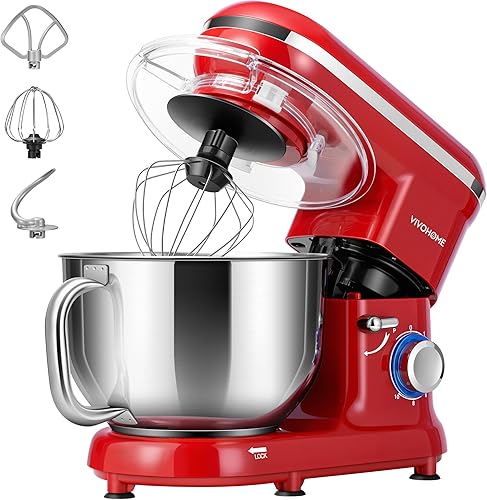
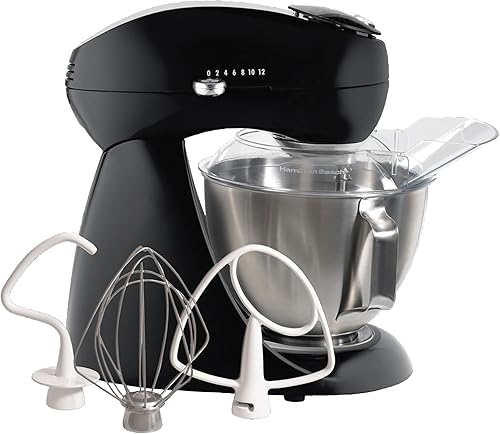
The flat beater, sometimes called a paddle, is the attachment you will reach for most often. Its wide, paddle-like shape knocks through thick mixtures without trapping too much air. Use it for cookie dough, cake batter, meatloaf, mashed potatoes, and frosting. It works best at low to medium speeds because the goal is to combine ingredients evenly, not to whip air into them. If your mixer has 10 or 12 speeds, the flat beater typically lives in the 2 to 6 range for most tasks. One thing to watch: do not run it at high speed with very stiff mixtures for long periods, as that can strain the motor on lower-wattage machines.
The Dough Hook: Built for Bread
The dough hook is a spiral or C-shaped arm designed to fold and stretch gluten-rich doughs the way hand-kneading would. It moves through stiff bread dough without flinging it around the bowl. Most recipes call for low speed only, typically speed 2, for the entire kneading time. Running a dough hook at higher speeds does not speed up gluten development and can overheat the motor on home machines. Mixers with larger bowl capacities, such as 5 quarts or more, handle double bread loaves more comfortably than a 3.5 quart bowl, which tends to max out at a single standard loaf. Pizza dough, pasta dough, and bagel dough all go in this category as well.
The Wire Whip: For Air and Lightness
The wire whip, or balloon whisk, is a cage of thin wires that incorporates a lot of air very quickly. Use it for whipped cream, meringue, mousse, and whole eggs when a recipe calls for them to be beaten light and fluffy. It runs best at medium to high speeds because speed is what drives air into the mixture. One important rule: keep the wire whip away from heavy doughs and thick batters. Forcing it through something stiff can bend or break the wires. If you are making whipped cream, a chilled bowl helps the cream hold its structure faster.
Optional Hub Attachments: What They Actually Do
Many stand mixers include a power hub on the front or top of the machine that accepts optional attachments sold separately. Common ones include a meat grinder, pasta roller, food grinder, ice cream maker bowl, spiralizer, and sausage stuffer. These attachments are driven by the motor at low speed and convert your stand mixer into a multi-function appliance. The catch is that compatibility is brand-specific. An attachment made for one brand rarely fits another, and most third-party attachments are designed for the most popular models. Before buying any add-on, check the manufacturer's compatibility list rather than assuming the hub is universal.
Speed Settings and Which Attachments Pair With Them
Stand mixers with 10 to 12 speeds give you fine control, but the attachment matters more than the number on the dial. As a general rule, dough hooks run at speeds 1 to 2, flat beaters at 2 to 6, and wire whips at 6 to 10. Machines with fewer speeds, say 5 or 6, simply group these ranges into fewer steps. Low speed always means less air and less heat, which is what dough needs. High speed means more aeration, which is what whipped cream needs. Running the wrong attachment at the wrong speed is usually what causes uneven results, not the machine itself.
Caring for Your Attachments
Most flat beaters, dough hooks, and wire whips are dishwasher safe, but check your manual first. Aluminum attachments can discolor in the dishwasher over time, while stainless steel holds up better. Rinse dough hooks immediately after use because dried dough in the coils is tedious to scrub out. Before storing, make sure the attachments are fully dry to prevent rust on any steel surfaces. When you attach any of them, press firmly and turn until you feel or hear a click, because a loosely seated attachment can wobble and scratch the bowl.
Frequently asked questions
Can I use the flat beater instead of the dough hook?
You can mix a soft dough with the flat beater in a pinch, but it will not develop gluten the same way a dough hook does. The paddle pushes ingredients together rather than stretching them, so bread made this way tends to come out denser. For anything that specifically needs kneading, the dough hook is the right tool.
Why does my wire whip hit the side of the bowl?
Most stand mixers have a bowl-height adjustment, sometimes a screw or a lever near the attachment point. If the whip is scraping the bottom or hitting the side, the bowl is set at the wrong height. Check your manual for the adjustment location and set it so the whip clears the bottom of the bowl by about the thickness of a coin.
Are third-party attachments safe to use?
Third-party attachments that are explicitly made to fit your model are generally fine for light tasks. The risk is that off-brand hub attachments may not engage the motor at the right torque, which can stress the gears over time. Stick to the manufacturer's own accessories for heavy tasks like grinding meat or rolling pasta.
How do I know if my attachment is seated correctly?
Push the attachment up into the socket and turn it in the direction your manual specifies, usually clockwise, until it locks. A loose attachment will wobble visibly when you tap it by hand. If you hear rattling during a mix, stop the machine and reseat the attachment before continuing.
Can I switch attachments mid-recipe?
Yes, but always turn the machine off and wait for it to stop completely before swapping. Changing attachments while the mixer is running or coasting to a stop can damage the socket and the attachment. It only takes a few seconds to wait, and it protects both the machine and the bowl.