Stand Mixer Speed Guide: When to Use Each Setting
Most stand mixers offer anywhere from 5 to 12 speeds, and knowing which one to reach for can make the difference between a fluffy cake batter and a bowl full of flour dust.
The speed dial on a stand mixer looks simple, but using the wrong setting is one of the most common reasons baked goods turn out dense, overworked, or splattered across the counter. Low speeds are for combining dry ingredients and heavy doughs, while high speeds are reserved for whipping air into eggs and cream. Most home mixers sit in the 5 to 12 speed range, and the good news is the logic behind those numbers is the same across nearly every brand. This guide breaks down each tier so you can match the task to the setting without guessing.
Products mentioned in this post

Speed 1 to 2: The Stir Zone
The lowest settings are designed to bring ingredients together without sending flour flying. Use speed 1 or 2 when you first add dry ingredients to wet ones, when you are folding in chocolate chips or nuts, or when you are starting a stiff bread or pizza dough. At this pace the mixer is barely moving, which is exactly what you want when a cloud of flour over the counter is your main concern. Many bakers make the mistake of jumping to a mid-range speed right away, which overworks gluten before the wet and dry are fully combined. Starting low and working up is the safest habit for most recipes.
Speed 3 to 4: Mixing and Creaming
Once ingredients are combined, speeds 3 and 4 are the workhorses for most everyday tasks. This range is where you cream butter and sugar together for cookies and cakes, where the mixture should lighten in color and increase in volume over two to four minutes. It is also the right speed for mixing muffin and quick-bread batters, blending cream cheese frostings, and combining meatloaf or dumpling fillings. The motion is vigorous enough to introduce some air but gentle enough that you are not overbeating delicate batters. If your recipe says simply to mix until combined, speeds 3 to 4 are almost always the right call.
Speed 5 to 6: Batters and Thick Icings
Mid-range speeds handle thicker jobs that need more force than a gentle cream but still should not be rushed. Cake batters that require adding eggs one at a time, dense cookie doughs after the flour is in, and thick buttercream frostings all do well here. This range also works for mixing ground meat or incorporating heavy mix-ins like shredded cheese into a dough. Running the mixer too long at these speeds can tighten gluten in cake batters, so watch the clock and stop once the batter looks smooth and uniform. For dense doughs like bagels or pretzels, many bakers spend the bulk of their knead time in this range.
Speed 7 to 8: Beating Eggs and Thinner Batters
The upper-middle range is where egg whites and whole eggs get beaten to a foam and where thinner batters get a final smooth-out. Beating whole eggs with sugar for a genoise or sponge cake happens here, and so does whipping ricotta smooth for a cheesecake filling. Mixers with 8 speeds, like the Cusimax stand mixer rated 4.4 stars across more than 6,600 reviews, often place their second-highest setting right at this point. It is fast enough to build volume in eggs without the splash of the top speed. If your bowl is less than three-quarters full, you are generally safe at these settings without the guard in place.
Speed 9 to 10: Whipping Cream and Egg Whites
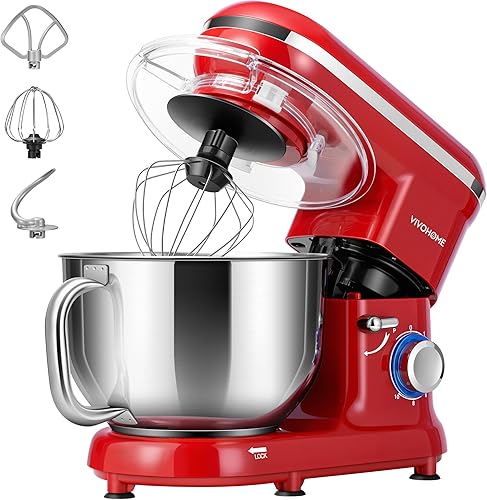
This range is the sweet spot for whipped cream and meringue. Heavy cream goes from liquid to soft peaks in roughly two minutes at speed 9 or 10, and stiff peaks follow in another minute or two. Egg whites for meringue or angel food cake take a bit longer but respond well to this pace. Mixers like the Vivohome VH291-RE, which carries a 4.5 star rating from more than 3,700 reviewers and offers 10 speeds in a 6-quart bowl at $134.99, top out right at this range for everyday whipping tasks. Stop the machine and check texture every minute or so rather than walking away, because the difference between stiff peaks and overbeaten scrambled-looking whites is only about 30 seconds.
Speed 11 to 12: Fast Whips and Finishing
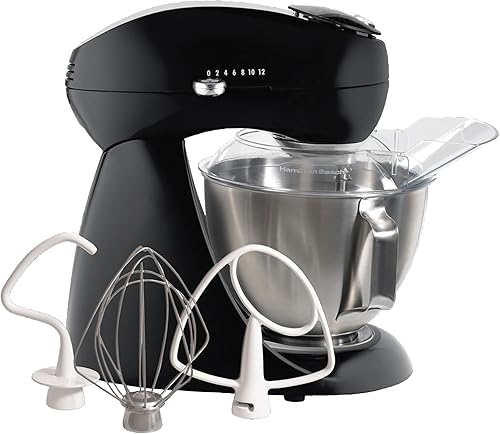
The fastest settings on a 12-speed mixer are mainly useful for finishing tasks: bringing whipped cream to stiff peaks, aerating a mousse at the very end, or giving egg whites a final burst to firm up. They are not meant for sustained mixing because the bowl heats slightly from the friction and speed, which can cause butter to separate in certain frostings. The Hamilton Beach 63227, with 12 speeds and a 4.5-quart bowl and rated 4.5 stars from 1,700 reviewers at $239, gives home bakers a full range from dead-slow stir to high-speed finish. For most recipes, you will land at speed 11 or 12 only for the last 30 seconds to a minute of mixing.
Tips for Switching Speeds Mid-Recipe
Stepping through speeds gradually rather than jumping from 1 to 10 protects the motor and produces more consistent results. Most manufacturer guidelines suggest increasing one or two speed increments at a time, particularly for stiff doughs, because sudden jumps put strain on the gears. If the mixer starts to walk or shake on the counter, step down one speed, which usually settles it. Add liquid ingredients while the mixer is running at a low-to-mid speed rather than stopping and starting repeatedly. And always switch the speed back to the lowest setting before you turn the mixer off, which helps the motor coast down cleanly rather than stopping abruptly under load.
Frequently asked questions
What speed should I use to cream butter and sugar?
Start at speed 1 or 2 to bring the butter and sugar together, then move up to speed 3 or 4 and run it for two to four minutes. The mixture should turn pale and noticeably fluffier when it is ready. Stopping too early or running too fast can leave you with a greasy, uneven result.
Can I whip cream on the highest speed to save time?
It is better to start at a mid-high speed and increase to the top setting only near the end. Going to full speed from the start can cause the cream to splatter and may push it past the soft-peak stage before you realize it. A minute or two at speed 9 or 10 followed by 30 seconds at the top is a safer approach.
What happens if I mix bread dough too fast?
Running a bread dough at high speed can overheat the dough from friction, which hurts yeast activity and can tighten the gluten unevenly. Most bread recipes call for speeds 2 to 4 for the bulk of the knead. The dough should feel smooth and slightly tacky but not sticky when it is properly developed.
Why does my stand mixer shake at high speeds?
Some vibration is normal, especially with dense batters or fuller bowls, but walking or heavy shaking usually means the load is too heavy for that speed or the bowl is overfilled. Step down one or two speed settings and check that the bowl is locked in properly. A stand mixer should sit on a non-slip surface to reduce movement at higher speeds.
Do I need all 12 speeds, or would a 5-speed mixer do?
For most home baking, a 5-speed mixer covers the basics well because the tasks cluster around slow stir, medium cream, and fast whip. More speed options give you finer control when you want to, for example, inch a meringue along carefully or take a batter from mix to smooth in smaller steps. Whether that precision matters depends on how often you bake and what you make.