What Not to Cook in a Convection Oven
The circulating fan that makes convection ovens so useful for roasting and baking can actually ruin certain foods if you use it at the wrong time.
Convection ovens move hot air around the cavity with a built-in fan, which speeds up cooking and browns food more evenly. That is a genuine advantage for a lot of dishes. But the same airflow that crisps a chicken thigh can dry out a custard, deflate a souffle, or blow a light batter right off a piece of fish. Knowing which foods to skip, or at least cook on a conventional setting, saves you from a frustrating result.
Products mentioned in this post


Custards, Puddings, and Cheesecakes
These dishes depend on gentle, even heat to set slowly without cracking or curdling. Convection airflow creates hot spots at the surface and pulls moisture out faster than the interior can firm up. The result is a cracked top, rubbery edges, or a texture that feels grainy instead of silky. Cheesecakes are especially vulnerable because any fast temperature shift causes them to puff and then sink. Stick to conventional mode for anything egg-and-cream based, and bake in a water bath when the recipe calls for it.
Souffles and Delicate Risen Dishes
A souffle rises because air bubbles trapped in beaten egg white expand steadily from the heat. Direct airflow from a convection fan hits the surface of the batter before the structure has a chance to set, and the whole thing can collapse or rise unevenly. The same problem applies to meringue-topped pies: the fan dries the outside into a crust before the inside is done, and you end up with a hollow, weeping layer underneath. Use conventional heat for anything that relies on a fragile foam structure.
Quick Breads, Muffins, and Light Batters
Muffins, quick breads, and similar batters need the top to stay tender long enough for the center to cook through. Convection heat sets the crust too fast, so the top browns and hardens while the middle is still wet, and the batter cannot rise properly around the set crust. You also risk getting a lopsided dome because airflow is rarely perfectly symmetrical inside a countertop unit. If you do use convection for muffins, lower the temperature by 25 degrees and check 5 to 10 minutes earlier than the recipe states.
Foods Covered in Loose Coatings or Toppings
Light breadcrumbs, shredded cheese on a casserole, or a streusel topping can shift, blow off to one side, or dry out before the food underneath is ready when convection airflow is running. A streusel that looks perfectly crumbly before it goes in can turn powdery and separate from the surface. Breadcrumb coatings on fish or chicken cutlets may slide off thin spots in the crust. If you want a convection finish for browning, add it in the final few minutes of cooking rather than running the fan the whole time.
Certain Cakes, Especially Layered Ones
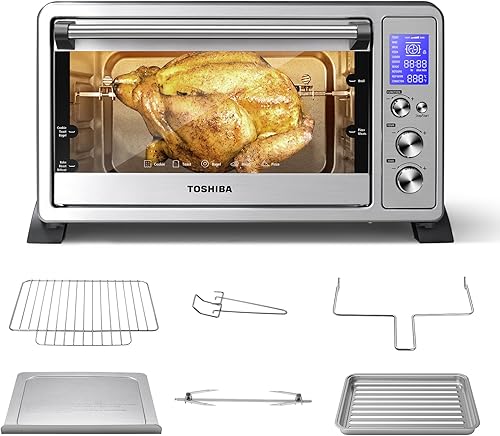
Dense cakes like pound cake or a classic layer cake often come out fine in convection if you reduce the temperature, but delicate foam cakes, angel food, and chiffon are a different story. The fan can cause them to set unevenly and pull away from the pan sides before the structure is stable. Layer cakes baked in convection sometimes dome more on one side, making them harder to stack and frost. If your oven model, whether a Toshiba AC25CEW-SS running at 1500 watts or an Elite Gourmet ETO-4510M at 1800 watts, does not let you turn the fan off, a simple workaround is to place an empty sheet pan on the rack above the cake to deflect direct airflow.
Dishes That Need to Steam and Stay Moist
Braised meats, covered casseroles, and any dish that releases steam as part of its cooking process are not hurt by convection as long as they are covered tightly. But if the lid is even slightly loose, the fan accelerates moisture loss and you end up with a dry result. Uncovered braising is the real risk: cooking a short rib or a piece of salmon in open convection heat will dry the exterior well before the interior reaches the right temperature. Use a tight-fitting lid or heavy foil, or simply switch to conventional mode.
When to Turn the Fan Off
Many countertop convection ovens, including units like the Chefman RJ50-15T, let you select a standard bake mode that runs the heating elements without the fan. Check your manual for a bake or conventional setting. If your oven only has convection modes, lower the temperature by 25 degrees Fahrenheit from what the recipe says and check for doneness earlier than the stated time. For truly delicate dishes, covering the pan loosely with foil for the first two-thirds of the cook time reduces the impact of the airflow while still letting you finish with some browning.
Frequently asked questions
Can I bake a regular cake in a convection oven?
Dense cakes like pound cake usually work fine if you reduce the temperature by 25 degrees Fahrenheit. Delicate foam cakes, angel food, and chiffon are harder because the fan can set one side faster than the other and the structure may not hold. For those, conventional heat is safer.
Why did my muffins crack on top in a convection oven?
The fan sets the surface crust before the center batter has risen fully. As the inside tries to expand, it splits through the hardened top. Try lowering the temperature by 25 degrees and baking 5 to 10 minutes less than the recipe states. You can also place the muffin tin on a lower rack to reduce direct airflow to the tops.
Is convection bad for fish?
Convection works well for thicker fillets that benefit from even browning, like salmon or halibut. It is a problem for delicate thin fillets or anything with a loose coating, because the airflow dries the surface quickly and can push a breadcrumb crust to one side. Covering with foil for the first half of cooking helps.
Can I make a cheesecake in a countertop convection oven?
It is possible but you need to turn off the fan if your model allows it. If the fan cannot be disabled, lower the temperature significantly and tent the top of the cheesecake with foil. A water bath inside the pan still helps with cracking even in a countertop unit, though a smaller pan may limit that option.
Does convection mode dry out food faster?
Yes, moving air pulls moisture from food surfaces more efficiently than still air does. For foods you want crispy, that is the point. For braises, custards, and delicate batters, it is a drawback. Covering the pan or switching to conventional heat solves most problems.