Why Do My Waffles Stick to the Iron?
Sticky waffles almost always come down to one of a few fixable problems with heat, batter, or the iron itself.
Few kitchen frustrations match lifting the lid on a waffle iron and watching half your waffle tear away and stay glued to the plate. The good news is that sticking is rarely random. It happens for specific, repeatable reasons, and once you know what they are, you can fix the problem for good. This guide walks through each cause and gives you a concrete adjustment to try.
Products mentioned in this post


The Iron Was Not Hot Enough When You Poured
The most common cause of sticking is pouring batter onto plates that have not fully preheated. When batter hits a cool surface, it bonds to the metal before steam pressure can lift it free. Most waffle irons need at least three to five minutes to reach a stable cooking temperature. Wait for the ready light or indicator to signal that the iron is fully up to heat before you add any batter. Skipping that step is the single biggest reason first waffles stick even when later ones come out fine.
Not Enough Fat in the Batter
Fat is the built-in release agent in waffle batter. Butter and oil coat the batter's surface as it cooks and help it pull cleanly from the plates. Recipes that cut fat too aggressively, or substitutions that swap oil for applesauce or other low-fat options, often result in waffles that grip the iron tightly. If you are following a reduced-fat recipe and getting sticking, try adding back at least two tablespoons of melted butter or neutral oil per cup of flour. That small amount makes a real difference without changing the flavor much.
Worn or Damaged Nonstick Coating
Nonstick plates do not last forever. Over time the coating scratches and wears thin, especially if you use metal utensils to pry waffles out or if you scrub the plates with abrasive pads. Once the coating is compromised, batter clings to the bare metal underneath. You can test this by dripping a small amount of water onto cold plates. On healthy nonstick it beads up; on worn coating it spreads flat. If the coating is clearly damaged, no amount of spray or batter adjustment will fully solve the problem, and replacing the iron is the practical fix.
Skipping the Oil Spray Even With Nonstick Plates
Many nonstick irons work fine without added oil when they are new, but most benefit from a light coat of cooking spray or brushed oil throughout their life. This is especially true for Belgian-style irons with deep pockets, where batter fills corners that see less direct heat. A quick spray of canola or avocado oil before the first waffle of each session, and again if you notice the surface looking dry, costs almost nothing and noticeably improves release. Avoid aerosol sprays that contain propellants like lecithin, which can build up a sticky residue over time. Brush-on oil or a pump-style spray is a better choice.
Opening the Iron Too Early
Opening the lid before the waffle is done is a reliable way to tear it in half. The waffle sticks because steam is still escaping from the batter and the crust has not fully set. A fully cooked waffle releases tension from the plates on its own as the exterior firms up. A simple rule: wait until steam stops coming out of the sides of the iron before you lift the lid. Most waffles need between three and five minutes depending on the iron's wattage and your heat setting. If you open it and feel resistance, close it again for another minute rather than forcing it.
Buildup on the Plates
Residue from cooking spray, oil, and old batter can accumulate on waffle plates and create a tacky layer that grabs fresh batter. This is common with irons that are only wiped down quickly between uses. To clean properly, let the plates cool completely, then wipe them with a damp cloth or paper towel. For stuck bits, a soft silicone brush with warm water works well. Never submerge the iron or use soap directly on nonstick plates unless the manual says they are dishwasher safe. A clean surface releases far better than one coated with invisible residue.
Choosing an Iron With a Reliable Nonstick Surface
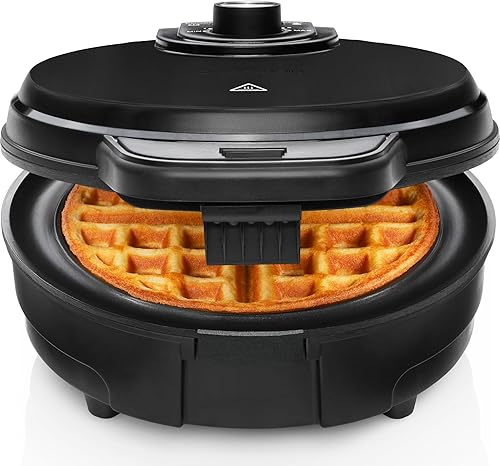
If sticking is a persistent problem even after adjusting technique, the iron itself may be worth reconsidering. The Presto 03510, rated 4.6 stars across more than 25,000 reviews at $64.99, uses a stainless steel body with nonstick plates that are reported to hold up well with regular care. The Chefman RJ04-AO-4 is a lighter option at around $26.92 with a 4.5-star rating from over 12,500 buyers. The Bella waffle iron at $26.24 has a 4.4-star rating from more than 12,400 reviewers and is one of the more affordable options with consistent release feedback. A well-made iron with quality plates reduces sticking from the start and is easier to maintain over time.
Frequently asked questions
Why does only the first waffle stick but the rest come out fine?
The first waffle often sticks because the plates have not reached full, even temperature yet. The iron may show a ready light before the plates are truly stable. Letting it preheat a full minute or two beyond the ready signal, and lightly oiling before the first pour, usually eliminates this problem entirely.
Can I use butter instead of cooking spray on the plates?
Butter works but burns faster than oil because of its milk solids, so it can leave residue more quickly than a neutral oil would. If you prefer butter, use clarified butter or ghee, which have the milk solids removed and handle heat much better. A neutral oil like canola or avocado oil is the most practical everyday choice.
Does a heavier waffle iron release better than a lighter one?
Weight alone does not determine release quality. What matters more is the quality and condition of the nonstick coating and how evenly the plates heat. A heavier iron may retain heat better between waffles, which can help consistency, but a lightweight iron with good plates and proper technique will release just as cleanly.
How do I know if my nonstick coating is too worn to fix?
If you can see bare metal, deep scratches, or peeling on the plates, the coating is past the point where oil or technique adjustments will help reliably. A quick test is to drip cold water on the cool plate. On a healthy nonstick surface, water beads. On worn coating, it spreads flat. At that stage, replacing the iron is the practical answer.
My waffle iron has no indicator light. How do I know when it is ready?
Hold your hand about two inches above the open plates for a few seconds. When the radiant heat feels strong and consistent, the iron is usually ready. You can also splash a drop of water on the plate. If it sizzles immediately and evaporates fast, the surface is hot enough. Give it at least four minutes from when you plugged it in before the first pour.