Cupcake Maker vs Oven: What Actually Makes Better Cupcakes?
Recommended picks

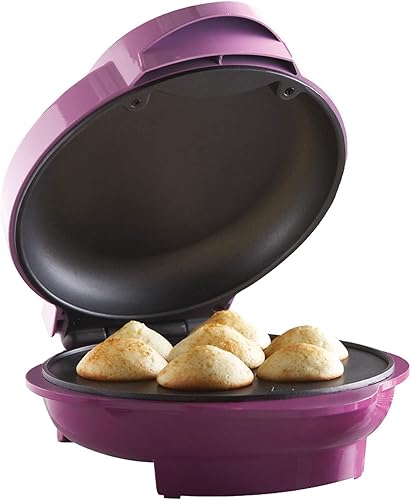

How a Dedicated Cupcake Maker Works
A cupcake maker uses a clam-shell heating element to cook batter from both the top and bottom at the same time, much like a waffle iron. Most models on the market draw between 1,000 W and 1,440 W, with the Brentwood TS-252 at 1,000 W on the low end and the Holstein Housewares OVS-17569790-002 at 1,440 W near the top. Because the cavities are small and fully enclosed, the batter sets quickly without needing the long preheat a full oven requires. You pour in batter, close the lid, and most batches are done in roughly 8 to 12 minutes from a cold start. The tradeoff is that you are locked into the mold size the machine provides, so unusually large or jumbo-style cupcakes are off the table.
Where a Conventional or Toaster Oven Has the Edge
An oven gives you control over temperature, pan size and rack position that no countertop cupcake maker can match. You can bake standard 12-cup pans, mini pans or jumbo muffin tins in the same appliance, and then use it for a sheet of cookies or a small roast afterward. Toaster ovens with convection fans circulate air evenly, which helps cupcakes dome more consistently. If you already own a reliable oven, the incremental cost to bake cupcakes is essentially zero. The downside is preheat time, which commonly runs 10 to 15 minutes before you even put the pan in.
Cost and Counter Space Comparison
Dedicated cupcake makers span a wide price range. The Brentwood TS-252 is priced at $24.99 and weighs just 3 lb, making it easy to store in a cabinet. The Betty Crocker BC-2930CRT comes in at $36.12, while the Babycakes CC-12 sits at $69.99 and the Babycakes CC-2828PK at $87.99. At the higher end, the Holstein Housewares OVS-17569790-002 is priced at $77.12 and has earned over 3,500 reviews with a 4.5-star rating, suggesting real-world satisfaction at that price point. A toaster oven capable of baking a 12-cup muffin tin typically costs more and takes up noticeably more counter space. If your only goal is cupcakes a few times a week, the dedicated maker is almost always cheaper to buy and to run.
Batch Size and Frequency Sweet Spots
Cupcake makers are built for small, frequent runs, typically 7 to 12 cupcakes per batch depending on the model. If you are baking for a birthday party of 30 or a school bake sale, you will be running multiple batches back to back, which can add up to more total time than a single large oven tray. For households that bake cupcakes one or two nights a week for a family of four, a dedicated maker is a natural fit. For occasional big-batch baking, your oven is faster when you factor in overall throughput.
Cleanup and Ease of Use
Most cupcake makers have non-stick coated cavities that wipe clean with a damp cloth after the plates cool. There are no racks to scrub, no drip pans to soak and no oven walls to degrease. An oven requires cleaning the interior periodically and washing whatever pan you used. The Babycakes CC-12 at 7.6 lb and the Brentwood TS-252 at 3 lb are both compact enough to rinse off in a standard sink if needed. For parents baking with kids or anyone who dislikes oven cleanup, the cupcake maker removes a lot of friction.
Which One Should You Buy?
Buy a cupcake maker if you bake small batches regularly, have limited counter space, or want a faster weeknight option that kids can use more safely than a hot oven. The Babycakes CC-12 has 1,400 reviews at 4.7 stars and runs on standard 120 V, making it a strong starting point. The Brentwood TS-252 at $24.99 is the lowest barrier to entry. If you bake large batches, need recipe flexibility, or already own a good oven, stick with the oven and skip the single-purpose appliance.
Common mistakes to avoid
- Overfilling the cavities: cupcake maker molds are shallower than standard muffin tins, so batter should fill each well no more than two-thirds to avoid overflow onto the heating plates.
- Skipping the preheat: most makers need 2 to 3 minutes to reach working temperature before you add batter, otherwise the bottoms cook unevenly.
- Using thick boxed-mix batter without thinning it: dense batter can trap steam and leave the center underbaked; a splash of extra milk usually fixes this.
- Assuming the maker can replace an oven for all baking: cupcake makers are single-purpose tools. Muffins work fine, but loaf cakes, layer cakes and cookies need a real oven.
- Ignoring voltage specs: the Babycakes CC-2828PK is rated for 220 V, which is a mismatch for standard US 120 V outlets. Check voltage before purchasing.
Frequently asked questions
How long does a cupcake maker take compared to an oven?
A cupcake maker starts cooking immediately and most batches finish in 8 to 12 minutes from a cold appliance. An oven needs 10 to 15 minutes to preheat plus another 18 to 22 minutes of bake time. For a single batch, the maker is usually faster start to finish.
Can I use any cupcake recipe in a cupcake maker?
Standard cupcake and muffin recipes work well. Very thick batters may need a small amount of extra liquid to bake through evenly. Recipes that rely on a dry oven environment for a crisp top, like certain choux-based pastries, will not translate well to the enclosed clamshell format.
Is a cupcake maker worth it if I already own a toaster oven?
It depends on frequency. If you bake cupcakes more than once a week, the faster preheat and easier cleanup can justify the extra appliance, especially at entry prices like the Brentwood TS-252 at $24.99. If you bake them once a month, your toaster oven already handles the job.
Do cupcake makers produce the same domed top as oven-baked cupcakes?
The dome forms differently. Oven heat rises and causes the center to lift as steam expands upward. A cupcake maker applies heat from both sides, so the top is often flatter and slightly denser. The texture inside is comparable, but the classic high dome is harder to achieve without an oven.
What wattage should I look for in a cupcake maker?
Models in the 1,000 W to 1,440 W range cover the main options available today. Higher wattage generally means faster preheat and more even cooking. The Brentwood TS-252 at 1,000 W is the lower end of that range, while the Holstein Housewares OVS-17569790-002 at 1,440 W sits near the top.