Belgian vs Classic Waffle Iron: Which One Is Right for You
Recommended picks


What Makes a Waffle 'Belgian'
The term Belgian refers to the grid pattern and thickness, not a specific recipe or certifiable standard. Belgian-style waffle irons use plates with deeper, wider squares, typically producing a waffle that is 1 inch or more thick. The larger pockets create more surface area for browning while keeping the interior soft and airy. Most Belgian-style irons also make a round or rectangular waffle that is noticeably larger in diameter than a classic one, so a single waffle is often a full serving on its own. The Presto 03510, for example, weighs 4.9 lb and pulls 1100 watts, giving it enough thermal mass and power to brown a thick Belgian waffle evenly without a long preheat. With over 25,000 reviews and a 4.6 rating, it is one of the most-reviewed waffle makers available and gives a reliable baseline for what a mid-range Belgian iron can do.
What Makes a Waffle 'Classic'
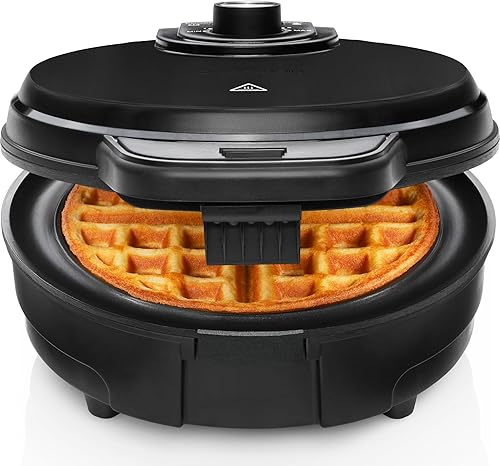
Classic, also called American-style, waffle irons use shallower grids that press the batter into a thin, uniform sheet. The result cooks faster and comes out with a denser crumb and a crispier outer shell. Classic waffles are typically under half an inch thick and freeze and reheat well, which makes them popular for weekday breakfasts. The Chefman RJ04-AO-4 is a compact, flat-grid iron at just 1.7 lb and 700 watts, priced around $26.92, and its 12,500 reviews with a 4.5 rating show it earns broad approval despite modest specs. That light weight and lower wattage suits a thin waffle, which does not need deep, sustained heat to cook through.
Wattage and Cook Time Differences
Belgian waffles need more power because the batter is thicker and the plates are deeper. Irons in the 900 to 1,400 watt range handle Belgian style best, maintaining plate temperature after you close the lid on a cold batter pour. Classic irons get by with 550 to 800 watts because the thin batter cooks in two to four minutes with less thermal demand. Lower wattage also means lower electricity draw, though the difference is minor for home use. If you cook multiple rounds back-to-back, a higher-wattage iron recovers faster between batches regardless of style, so wattage matters more for volume cooking than for occasional use.
Size, Weight, and Storage
Belgian irons tend to be larger and heavier because deeper plates need more material and a sturdier hinge to press thick batter evenly. A typical stainless-steel Belgian model like the Hamilton Beach 26009 at 3.7 lb is still manageable, but commercial-leaning units can reach 9 lb or more. Classic irons are often compact and light, with some single-serving models under 2 lb that store almost anywhere. If counter space is limited or you cook solo portions, a classic iron takes up less room. Families cooking four or more waffles at a time benefit from the larger footprint of a Belgian iron, which typically makes a full-size waffle in one pour rather than the two smaller squares some classic irons produce.
Which Style Works for Which Recipes
Belgian irons are the better choice if you want to serve waffles as a dessert or brunch centerpiece loaded with toppings, or if you use a yeast-raised or egg-white-folded batter that needs room to expand. The deep pockets also work for savory waffles topped with fried chicken, pulled pork, or a poached egg. Classic irons suit thin, crispy waffles meant for sandwiches, ice cream cones, or a quick weekday stack. They also handle denser batters, like cornmeal or buckwheat, without the raw-center risk you can get with thick batter in a low-wattage Belgian iron. Neither style is strictly better for mix-from-a-box batter, though box batter in a Belgian iron often needs a slightly reduced amount per pour to avoid overflow.
Price Range and Value
Both styles span a wide price range, from under $20 to over $100. At the entry level, classic irons often offer better value because the simpler plates and lower wattage cost less to manufacture. The Chefman RJ04-AO-4 at around $26.92 with 12,500 reviews is a strong example of an affordable classic iron with a proven track record. Belgian irons at similar price points exist but sometimes compromise on plate depth or plate material. Mid-range Belgian models in the $50 to $85 range, like the Presto 03510 at $64.99, hit a useful balance of power and durability. Above $100, you start seeing flip mechanisms, digital browning controls, and removable plates, which appear on both styles and add convenience rather than a fundamental improvement in waffle quality.
Common mistakes to avoid
- Overfilling a Belgian iron with batter: the deep pockets look empty until the lid compresses the batter, so use the manufacturer's recommended amount or start with slightly less than you think you need.
- Using classic batter amounts in a Belgian iron: Belgian recipes typically call for more leavening and sometimes whipped egg whites to produce a light interior in a thick waffle, so swapping batter types without adjusting can yield a dense result.
- Not preheating long enough: thick Belgian plates need a full preheat, usually three to five minutes until the indicator light signals ready, or the first waffle will stick and cook unevenly.
- Lifting the lid too early: both styles need time to set before the lid can open without tearing the waffle, and Belgian waffles in particular need the extra minute because the thick interior is still steaming.
- Ignoring wattage when buying: a 500-watt iron labeled 'Belgian' will struggle to cook a thick, deep waffle evenly, especially between batches, so wattage matters as much as plate design.
- Assuming nonstick means no oil needed: even quality nonstick plates benefit from a light spray for the first few uses until the surface seasons, and skipping this step causes early sticking and wear.
Frequently asked questions
Can I make Belgian waffles in a classic waffle iron?
You can use a Belgian batter recipe in a classic iron, but the result will be a thin, crispier waffle rather than the thick, airy texture Belgian style is known for. The batter will cook fine, but the shallow grid does not allow the waffle to rise and puff the way it does in a deep-pocket Belgian iron. If texture matters to you, the iron style does affect the outcome more than the batter recipe alone.
Is a Belgian waffle iron harder to clean?
Deep pockets do collect more batter runoff if you overfill, but most Belgian irons use the same nonstick coating as classic models and wipe down in a similar way. The bigger cleaning risk is overflow batter dripping into the hinge or drip tray, so using the right batter amount matters more than the iron style. Classic irons with shallow grids are marginally easier to wipe clean because there is less surface area in the grid pattern.
Do Belgian waffle irons take longer to cook?
Yes, in most cases a Belgian waffle takes four to six minutes compared to two to four minutes for a classic waffle, because the batter is thicker and needs more time to cook through. Higher-wattage Belgian irons can close that gap, but you should still expect a longer cook time than a classic iron at similar wattage. If speed matters and you are cooking multiple rounds, a classic iron will turn out more waffles per hour.
What wattage is good for a Belgian waffle iron?
Aim for at least 900 watts for a Belgian iron, and 1,100 watts or more if you cook multiple waffles back-to-back. Higher wattage keeps the plates hot after you pour cold batter, which is the main cause of pale, undercooked Belgian waffles. The Presto 03510 at 1,100 watts and $64.99 is a practical reference point for what a solid mid-range Belgian iron offers.
Which style is better for freezing and reheating waffles?
Classic waffles freeze and reheat better because their thin, crispy structure survives the toaster without becoming soggy. Belgian waffles can be frozen and reheated in a toaster oven, but the thick interior often turns chewy rather than crispy unless you use a low-and-slow reheat method. If you batch-cook waffles for the week, a classic iron is the more practical choice.