Flip vs Non-Flip Waffle Maker: What Actually Matters
Recommended picks


How a Flip Waffle Maker Works
A flip waffle maker has a hinge that lets you rotate the entire iron 180 degrees after pouring the batter. When you flip, gravity pulls the batter toward the top plate, filling in the grid evenly before it sets. The result is a waffle with a crisp outer shell and a soft, airy inside, because the batter expands upward instead of settling flat. Most flip models are Belgian-style, meaning the grid is deeper than on a standard iron. The Presto 03510 is a popular flip model with a 1,100-watt element and a stainless steel housing, priced around $64.99 and rated 4.6 stars across more than 25,000 reviews. Its 4.9-pound frame is heavier than many non-flip irons, which is typical for rotating designs.
How a Non-Flip Waffle Maker Works
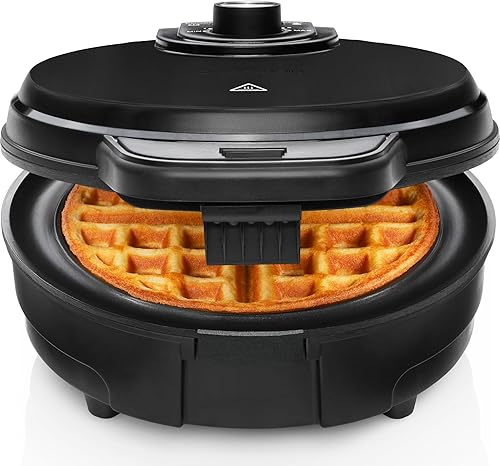
A non-flip waffle maker has upper and lower plates that clamp down on the batter from both sides at once. Heat comes from the top and bottom simultaneously, so the waffle cooks without any rotation. This design is simpler, lighter, and usually less expensive. The Chefman RJ04-AO-4 is one of the most reviewed non-flip options available, with 12,500 ratings at 4.5 stars and a price around $26.92. It draws 700 watts and weighs just 1.7 pounds, which is practical for small kitchens or occasional use. Non-flip irons tend to produce a thinner waffle with a denser crumb, which some people prefer.
Texture and Thickness: The Core Difference
Flip models produce thicker waffles because the rotation distributes batter more evenly, leaving more room for steam to lift the interior. The exterior tends to be crispier because both plates reach high, uniform heat before the batter has a chance to stick. Non-flip models cook faster but can leave the center slightly denser or softer, since batter may pool toward the hinge side before it sets. If your goal is a waffle that holds toppings without going soggy, a flip model generally performs better. If you prefer a classic, thinner square waffle or you are making mini batches for kids, a non-flip iron is perfectly capable.
Price, Weight, and Storage
Non-flip waffle makers tend to cost less and weigh less, which matters if storage space is limited. The Chefman RJ04-AO-4 at 1.7 pounds slides into a cabinet easily. Flip models add mechanical complexity, which pushes the price and weight up. The Hamilton Beach 26031 is a flip model priced at $83.45, weighs 6.6 pounds, and pulls 800 watts. It is rated 4.4 stars by over 7,100 buyers, which suggests solid real-world reliability despite the higher price. If you cook waffles several times a week, that extra cost is spread across many uses. If you make waffles only occasionally, a non-flip model in the $25 to $40 range may be all you need.
Cleanup and Maintenance
Both styles typically use nonstick plates, so cleanup is similar on paper. In practice, flip models can drip batter from the hinge or seam if you overfill the grid, because the rotation moves liquid toward the edges. Non-flip models keep batter contained more predictably since nothing moves. Either way, let the iron cool before wiping, use a damp cloth or soft brush on the grid, and never submerge the base. Removable plates, where offered, make cleaning easier but are not universal in either category, so check the product specs before buying if easy cleanup is a priority for you.
Who Should Get Each Type
A flip waffle maker suits anyone who wants thick Belgian-style waffles with a crisp crust, cooks waffles regularly, and has a budget of $50 or more. It is also the better choice if you are feeding guests and want consistent results batch after batch. A non-flip waffle maker is the better pick if you are budget-conscious, have limited storage, or mostly make standard waffles for one or two people. It is also a solid choice for kids' character-shaped irons, which are almost always non-flip by design. Neither type is objectively better; the right one matches how you actually cook.
Common mistakes to avoid
- Overfilling a flip model before rotating, which causes batter to spill out the sides and burn on the exterior.
- Opening a non-flip iron too early, before the steam stops escaping, which tears the waffle and leaves half of it on each plate.
- Using cooking spray on a nonstick surface, which can build up residue over time and degrade the coating faster than needed.
- Choosing a flip model for a tiny kitchen without measuring available counter and cabinet space first.
- Judging doneness by the timer light alone rather than by color, since wattage and batter thickness both affect how long a waffle actually needs.
- Skipping preheating, which leads to uneven browning and a waffle that sticks even on a nonstick surface.
Frequently asked questions
Do flip waffle makers actually make better waffles?
They make thicker, more evenly browned waffles in most cases, because the rotation fills the grid before the batter sets. Whether that counts as better depends on your preference. If you like a thick, airy Belgian waffle with a crisp shell, a flip model is worth it. If you prefer a thinner, denser waffle or cook in small batches, a non-flip iron works just as well for you.
Are flip waffle makers harder to clean?
Not significantly, but they have more parts and a rotating joint that can trap batter if you overfill. Wipe the hinge area after each use and avoid pouring batter past the fill line. Non-flip models are slightly more forgiving because nothing moves, so spills stay put rather than shifting during cooking.
Can I make Belgian waffles in a non-flip iron?
You can use Belgian-style batter in a non-flip iron, but the grid on most non-flip models is shallower, so the waffle will be thinner than a true Belgian style. The texture will also be denser because the batter does not get distributed by rotation. If Belgian thickness and texture matter to you, look for a non-flip model that specifically has a deep Belgian grid.
How much wattage do I need in a waffle maker?
Most home waffle irons fall between 700 and 1,400 watts. Higher wattage generally means faster recovery time between batches, which matters if you are making multiple waffles in a row. For occasional single-waffle cooking, 700 to 800 watts is enough. For regular family-size batches, 1,000 watts or more keeps wait times short.
Is a heavier waffle maker a sign of better quality?
Weight often reflects the material of the plates and housing. Cast iron and thick aluminum plates hold heat more evenly than thin plastic-framed irons, and they tend to last longer. That said, weight alone is not a quality guarantee. Look at the rating count and average rating alongside the materials listed, since products with thousands of reviews give you a more reliable picture of real performance.