How to Choose a Bread Machine
Recommended picks

Loaf Size: Match the Machine to Your Household
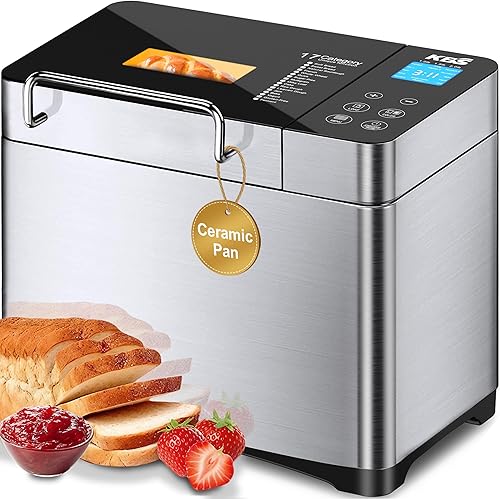
Most bread machines produce 1 lb, 1.5 lb, or 2 lb loaves. A 1 lb loaf is roughly 8 slices, enough for a single person or couple who bake once or twice a week. A 1.5 lb setting is the most common and fits four to six people. The 2 lb capacity is worth it if you go through a loaf in a day or bake for a larger family. Some machines, like the KBS MBF-010, weigh around 14.7 lb and measure about 13.6 inches long, so measure your counter space before buying. A bulkier machine is not automatically better; it just means more dough per cycle.
Wattage and Kneading Power
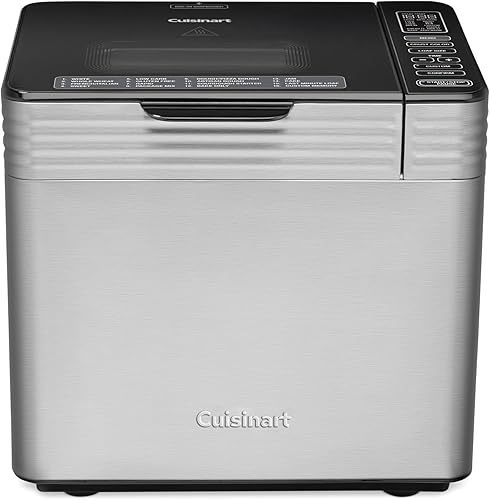
Wattage determines how well the machine handles dense, sticky doughs. At 550W, machines like the Cuisinart CBK-110P1ES manage standard white and light wheat loaves without straining. Jump to 700W or more and you get more torque for whole wheat, rye, or enriched doughs with butter and eggs. The KBS MBF-010 runs at 710W and carries over 11,000 reviews at 4.4 stars, a combination that suggests the motor holds up through heavy use. Very low wattage machines (under 450W) tend to struggle with anything heavier than a basic sandwich loaf.
Programs and Settings: How Many Do You Actually Need
Program count looks impressive on a box but requires a reality check. A machine with 12 programs covers white, wheat, French, sweet, quick, gluten-free, dough-only, jam, and a few bake-only cycles. That is enough for the vast majority of home bakers. The Cuisinart CBK-200 offers 16 programs at 800W for around $238, which adds a few specialty cycles and more crust-color control. Machines with 40-plus programs tend to include very niche settings most people never touch. Focus on whether the cycles you actually use are present, not the total number.
Build Quality and Materials
The bread pan, lid, and outer housing tell you how a machine will hold up. Stainless steel housings resist staining and denting better than plastic; both the Cuisinart CBK-200 and the KBS MBF-010 use stainless-steel finishes. The bread pan itself is almost always non-stick coated aluminum regardless of what the exterior looks like, so focus on pan handle sturdiness and paddle retention. Machines that weigh more tend to have heavier-duty motors and pans, though a lighter machine is not automatically cheap; the Cuisinart CBK-200 weighs 10.8 lb and still has strong ratings across nearly 500 reviews.
Delay Timer and Keep-Warm Features
A delay timer lets you load ingredients at night and wake up to fresh bread. Most machines in the $100 to $250 range include a 13-hour delay timer. Make sure the timer works with dry ingredients; any recipe using eggs, milk, or butter should not sit at room temperature for hours, so use only water-based recipes on delay. The keep-warm function typically holds the loaf at a safe temperature for 60 minutes after baking. This is useful if your schedule is unpredictable, but bread left on keep-warm too long can get gummy on the bottom.
Price and What You Get at Each Range
Under $100 buys a functional machine with fewer programs and lighter construction. From $100 to $150, you get 12 to 19 programs, 550W to 710W motors, and brand-name reliability; the Cuisinart CBK-110P1ES at $119.95 sits here and has the review volume to back it up. From $150 to $250, expect stainless steel builds, better kneading at 800W, and more crust options. Above $250, you are mostly paying for Japanese-brand precision engineering, quieter motors, and collapsible paddles that leave a smaller hole in the loaf. Contact us at hello@chpizza.com if you have questions about specific models.
Common mistakes to avoid
- Choosing a machine purely on program count rather than checking whether the specific cycles you need are included.
- Ignoring wattage when planning to bake whole wheat or rye loaves, then getting dense, under-kneaded results.
- Forgetting to measure counter and cabinet space before buying a machine; some 2 lb models are over 18 inches long.
- Using perishable ingredients like eggs or milk in a long delay-timer cycle, which creates a food safety risk.
- Skipping reviews with low counts; a 4.5-star rating on 8 reviews is far less reliable than a 4.4 on 11,000.
- Buying the cheapest option and then buying again six months later; spending $120 to $130 from an established brand typically outlasts a $60 import by years.
Frequently asked questions
What wattage do I need for whole wheat bread?
Aim for at least 650W to 710W if you bake whole wheat regularly. Whole wheat dough is denser and absorbs more water, which puts more load on the motor. A 550W machine can manage an occasional whole-wheat loaf, but it may struggle with 100-percent whole wheat or multi-grain recipes that include seeds and oats.
How many programs does a bread machine need?
Twelve programs covers almost everything a home baker needs, including white, wheat, French, sweet, quick, gluten-free, dough-only, and bake-only modes. More programs are useful if you regularly make jam, pasta dough, or specialty breads. Machines with 17 to 20 programs hit a practical ceiling for most kitchens without overloading you with settings you will never use.
Is a heavier bread machine better?
Not necessarily, but weight is often a proxy for a sturdier motor and thicker pan walls. A machine weighing 14 to 16 lb tends to have more torque than one at 8 lb. That said, some well-reviewed machines in the 8 to 10 lb range perform reliably for years on standard loaves, so check the review count alongside the weight rather than treating weight as the sole indicator.
Can I make gluten-free bread in any bread machine?
You need a dedicated gluten-free program. Gluten-free doughs do not need long kneading cycles and benefit from a single rise rather than a double rise, which standard programs provide. Most machines in the $100 and up range include a gluten-free setting. Without it, you would need to manually time each phase, which defeats the purpose of the machine.
How long does a bread machine loaf take?
A standard white or sandwich loaf takes 3 to 4 hours from start to finish on a basic cycle. Quick-bread cycles run closer to 1.5 to 2 hours but produce a denser, slightly less risen loaf. Whole wheat cycles often run 3.5 to 4.5 hours because the longer rise time helps the dough develop properly. Delay-timer cycles add however many hours you set before baking begins.