How to Clean a Bread Machine: A Complete Step-by-Step Guide
Recommended picks


What You Need Before You Start
Gather a soft sponge or cloth, mild dish soap, a small silicone or wooden spatula, a soft toothbrush, and dry paper towels. Avoid steel wool, abrasive scrubbers, and harsh chemical cleaners because bread machine pans almost always have a nonstick coating that scratches easily. The Cuisinart CBK-110P1ES, for example, is rated 4.4 stars across more than 16,000 reviews, and many of those reviewers note that the nonstick pan holds up well only when owners skip the abrasive pads. Having everything on the counter before you start keeps the job quick and reduces the chance of missing a spot.
Removing and Soaking the Bread Pan and Paddle
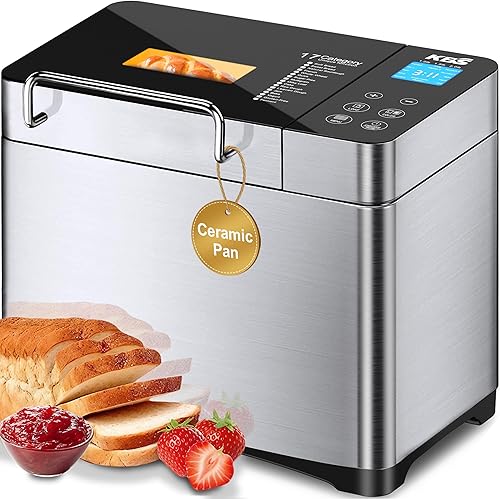
Lift the bread pan straight up out of the machine once it is cool enough to handle. The kneading paddle often sticks inside the baked loaf, so check the bottom of your bread before slicing and pull the paddle out using a plastic or silicone utensil to avoid scratching the shaft. Fill the pan with warm water and a small drop of dish soap, then let it soak for 10 to 15 minutes. This softens any baked-on dough or crust residue without requiring aggressive scrubbing. The KBS MBF-010, which draws 710 watts and runs 17 baking programs, tends to bake at higher internal temperatures, so residue in its pan can bond more firmly if you leave the pan sitting overnight before cleaning.
Washing the Pan and Paddle by Hand
After soaking, use a soft sponge to wipe the inside and outside of the pan. Pay special attention to the shaft collar at the bottom of the pan, where dough often hides. Use a soft toothbrush to scrub around the paddle shaft and inside the paddle hole itself. Rinse both pieces thoroughly under warm running water and dry them completely with a clean towel before putting them back in the machine. Never put the bread pan or paddle in the dishwasher unless your specific model's manual explicitly permits it, because the high heat and strong detergents in dishwashers strip nonstick coatings quickly.
Cleaning the Interior of the Machine
With the pan removed, use a barely damp cloth or sponge to wipe the interior walls, the heating element surround, and the lid. Flour dust and small crumbs settle in the corners during kneading cycles, so tilt the machine gently over a trash can or use a dry pastry brush to dislodge debris before wiping. The Amazon Basics BM1349-UL-B has a relatively compact footprint at roughly 11.6 by 8.8 by 11.4 inches and 8 pounds, which makes it easy to pick up and tilt for crumb removal. Keep the cloth barely damp because moisture near the heating element or motor base can cause corrosion over time. Never use a spray bottle directly inside the cavity.
Cleaning the Exterior and Lid
Wipe the outside of the machine with a lightly damp cloth, then dry it immediately. The lid, which often has a small vent or window, accumulates steam residue and flour dust. Open the lid fully and wipe the inside surface of the lid with a soft cloth. If the lid has a plastic viewing window, avoid ammonia-based cleaners because they can cloud clear plastic. A mixture of equal parts water and white vinegar on a cloth handles mineral deposits from steam without damaging finishes.
Drying and Reassembly
All parts, especially the bread pan and paddle, must be completely dry before you reassemble the machine. Trapped moisture inside the pan or around the paddle shaft is the most common cause of rust spots on the shaft collar. Stand the pan upside down on a clean dish towel for at least 20 minutes after drying with a cloth. Once dry, slide the paddle back onto the shaft, lower the pan into the machine until it clicks into place, and close the lid. Store the machine with the lid closed to keep dust out between uses.
Common mistakes to avoid
- Putting the bread pan in the dishwasher, which strips the nonstick coating after just a few cycles.
- Using steel wool or abrasive sponges on the pan interior, leaving scratches that cause dough to stick in future bakes.
- Wiping the interior while the machine is still warm, which can warp the nonstick surface and cause minor burns.
- Leaving the kneading paddle in the baked loaf and forgetting to remove it before slicing, which damages both the paddle and the knife.
- Spraying water or cleaning solution directly into the interior housing, risking moisture damage to the motor and heating element.
- Reassembling the machine before the pan and paddle are fully dry, which promotes rust on the shaft collar and reduces nonstick longevity.
Frequently asked questions
Can I wash my bread machine pan in the dishwasher?
For most machines the answer is no. The high temperatures and harsh detergents in dishwashers break down nonstick coatings quickly, which causes bread to stick and the coating to flake into your food. Check your owner's manual first, but hand washing in warm soapy water is the safe choice for nearly every model on the market.
How often should I clean my bread machine?
Wipe the interior crumbs and wash the pan and paddle after every single bake. A deeper clean of the housing, lid, and exterior is sensible every four to six uses, or any time you notice buildup. If you bake with ingredients like cheese, nuts, or raisins, clean immediately after each cycle since those residues burn on more stubbornly than plain dough.
What do I do if the kneading paddle is stuck inside the bread?
This is common and the fix is simple. Use the small plastic hook or removal tool that many machines include, or gently work a silicone spatula around the paddle before the bread fully cools. Pulling on a fully cooled loaf is harder and can tear the bread. Once the paddle is out, soak it as described above to loosen any baked-on dough around the hole.
There is a burnt smell coming from my bread machine. How do I get rid of it?
The smell usually comes from flour or crumbs that have fallen onto the heating element and burned during baking. Unplug the machine, remove the pan, and use a dry pastry brush or soft cloth to gently brush debris off the heating element surround. Do not use water directly on the element. Running an empty cycle after cleaning is not recommended because it adds unnecessary heat stress. Regular crumb removal after each bake prevents the problem entirely.
Can I use vinegar to clean the inside of my bread machine?
A solution of equal parts white vinegar and water works well for wiping mineral deposits and steam residue off the interior walls and lid. Apply it to a cloth rather than spraying it directly inside. Rinse the cloth and follow up with a plain damp wipe to remove any vinegar smell. Keep the cloth away from the heating element and motor base, and always dry thoroughly before closing the lid.