What Size Stand Mixer Do I Need?
Recommended picks

How Bowl Size Maps to Batch Size
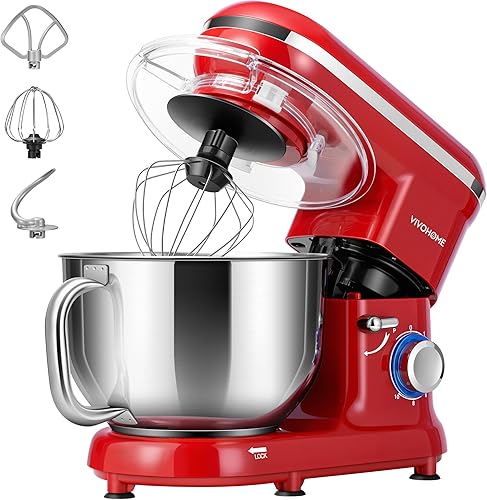
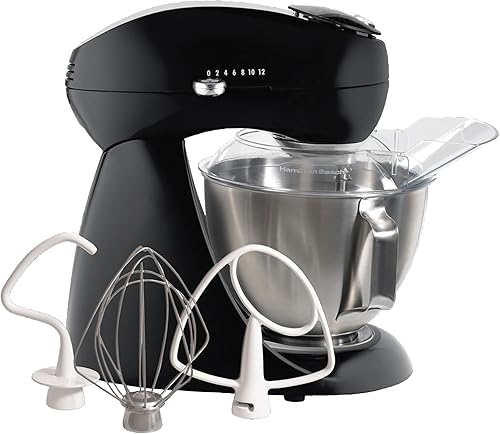
A 3.5 quart bowl, like the one on the Ovente SM680R, handles one standard batch of cookies or a single loaf of bread dough, but leaves very little headroom. A 4.5 quart bowl, as found on the Hamilton Beach 63227 (rated 4.5 stars across 1,700 reviews, priced at $239), fits a double batch of drop cookies or two pounds of bread dough without splashing. The 5.5 quart range is where most mid-range home mixers land and gives you room to make a three-layer cake batter plus whipped frosting without switching bowls. A 6 quart bowl, like the one on the Vivohome VH291-RE ($134.99, 4.5 stars, 3,733 reviews), is the practical ceiling for home use and handles large holiday batches comfortably.
Small Bowls: 3 to 4 Quarts
Mixers in the 3 to 4 quart range are compact and fit easily under standard cabinets. They work well for single batches, light frosting, and whipping cream. The tradeoff is that dense doughs push these motors harder and you cannot scale recipes up without splitting the job into two runs. If you mainly make quick breads, muffins, or small cake batches, this size is fine. If bread dough or large cookie batches are common in your kitchen, this range will frustrate you quickly.
Mid-Range Bowls: 4.5 to 5.5 Quarts
This is the most versatile range for home bakers. A 5.5 quart bowl, found on the Cuisinart SM-50BLU (500W, 12 speeds, 4.7 stars from 417 reviews, $319.95), handles double batches of most cookie recipes and standard bread doughs without strain. The extra headroom also matters for recipes that use a lot of liquid, like a light genoise or a large batch of whipped cream. Most people who bake two or three times a week find this range the right balance between counter footprint and useful capacity.
Large Bowls: 6 Quarts and Up
A 6 quart bowl is worth considering if you bake for events, run a small cottage business, or regularly make multiple loaves of bread in one session. At this size the mixer is noticeably heavier and taller, so measure your cabinet clearance before buying. Bowls above 8 quarts, like the 15 quart commercial-style options, are designed for food service use. For home kitchens they are impractical because small batches do not make proper contact with the beater, leading to uneven mixing.
Does Wattage Change Based on Bowl Size?
Not always, but it should. A 6 quart bowl paired with only 250W is a bad combination because stiff bread doughs will bog the motor down and shorten its life. As a rough guide, aim for at least 300W per 4 quarts of bowl capacity. The Vivohome VH291-RE pairs a 6 quart bowl with 660W, which is a reasonable match for bread dough. The Cuisinart SM-50BLU pairs a 5.5 quart bowl with 500W, which is adequate for most home baking but not ideal for very stiff doughs done frequently. When bowl size increases, verify the wattage scales with it.
Practical Tips for Choosing the Right Size
Start by thinking about your largest typical recipe, not your average one. Double that recipe to see if you ever want the option to scale up, then pick a bowl that fits the doubled version with at least two inches of headroom. If counter and cabinet space is tight, a 5.5 quart model is the largest you can usually fit under a standard 18-inch cabinet clearance. Finally, check the weight of the unit before buying, because heavier mixers, some topping 20 to 30 pounds, are harder to move and many bakers leave them on the counter permanently, which affects how much workspace you have.
Common mistakes to avoid
- Buying a 3.5 quart mixer for bread baking, then finding the bowl too small for even a single standard loaf recipe once all ingredients are in.
- Choosing bowl size based on price alone and ignoring whether the motor wattage is matched to that capacity.
- Not measuring cabinet clearance before buying. A 6 quart mixer can be 18 inches or taller with the bowl attached.
- Assuming a larger bowl is always better. Batches that are too small for the bowl will not contact the beater properly and will mix unevenly.
- Overlooking the weight of the unit. A 30-pound mixer that you have to lift in and out of a cabinet will get used far less than a lighter model that stays on the counter.
- Forgetting to account for the tilt-head clearance above the bowl, which adds several inches of height when the head is raised to add ingredients.
Frequently asked questions
Is a 4.5 quart stand mixer big enough for bread dough?
A 4.5 quart bowl can handle one standard loaf of bread dough, typically around 1.5 to 2 pounds of dough. If your recipe calls for more than about 3 cups of flour, you will be close to the limit and should watch carefully to avoid overflow. For frequent bread baking or larger loaves, a 5.5 to 6 quart bowl gives you more comfortable headroom.
What bowl size do I need for a double batch of cookies?
A double batch of a standard drop cookie recipe, around 5 to 6 dozen cookies, fits comfortably in a 5.5 quart bowl. A 4.5 quart bowl can manage it but you will need to scrape the sides more often and mix in the last of the flour carefully to avoid overflow. Anything below 4 quarts will require splitting the dough into two separate mixing sessions.
Can I use a larger bowl than I need, or will it hurt the mixing?
Yes, it can cause problems. When a batch is too small for the bowl, the beater or dough hook swings past the ingredients without making consistent contact. The result is uneven mixing, with some ingredients left unmixed at the bottom or sides. A good rule is that your ingredients should fill at least a third of the bowl for proper mixing action.
How heavy are stand mixers with larger bowls?
Weight goes up significantly with bowl size. Compact 3.5 to 4 quart models often weigh under 15 pounds, while 5.5 quart home models typically fall in the 15 to 22 pound range. Some 6 quart and larger models reach 28 to 30 pounds or more. If you plan to move the mixer in and out of a cabinet regularly, weight matters a great deal and is worth checking in the product specs before you buy.
Do I need a stand mixer or would a hand mixer work?
A hand mixer works for light jobs like whipping cream, making frosting, or mixing simple cake batters. Stand mixers earn their place when you need hands-free operation, when you are kneading bread dough for 8 to 10 minutes, or when batch sizes get large enough that holding a hand mixer gets tiring. If you bake bread regularly or do large batches, a stand mixer with the right bowl size is worth the investment. For occasional lighter baking, a hand mixer is perfectly adequate and takes up far less space.