How to Clean a Toaster Oven: A Step-by-Step Guide
Recommended picks

What You Need Before You Start
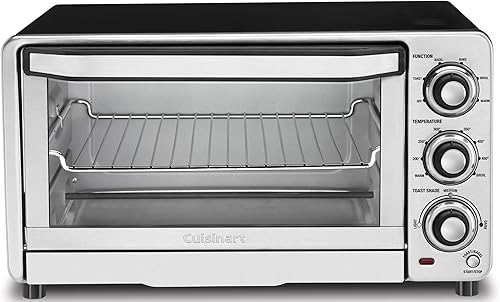
Gather a few basics: dish soap, baking soda, white vinegar, a soft sponge or cloth, a small brush (an old toothbrush works well), and paper towels. Avoid steel wool or abrasive scrubbers on interior surfaces, since they scratch the coating and make future cleaning harder. For a stainless steel exterior, like the brushed finish on the Cuisinart TOB-40NNAS ($99.95, 4.2 stars from 7,400 reviews), a microfiber cloth prevents streaking. Non-stick interiors found on some Nuwave models need only gentle soap and water to stay intact. Keep a spray bottle of diluted white vinegar on hand for deodorizing after you wipe everything down.
Step 1: Remove and Clean the Crumb Tray and Rack
Slide out the crumb tray first. Tap loose crumbs into the trash before washing, since rinsing dry crumbs down the drain clogs pipes over time. Wash the tray in warm, soapy water and scrub with a soft sponge, then rinse and dry fully before putting it back. Pull out the wire rack and soak it in hot, soapy water for 10 minutes if grease is baked on. A small brush gets into the rack's corners where a sponge cannot reach. The Nuwave 20802 ($129.99, 4.4 stars, 6,900 reviews) and similar 1,800-watt ovens run hot enough that rack grease carbonizes quickly, so frequent cleaning, ideally every week or two, prevents serious buildup.
Step 2: Clean the Interior Walls and Floor
Mix two tablespoons of baking soda with enough water to make a paste with the consistency of toothpaste. Apply it to greasy spots on the interior walls and floor, avoiding any direct contact with the heating elements at the top and sides of the cavity. Let the paste sit for 15 to 20 minutes to loosen baked-on grease, then wipe away with a damp cloth. Rinse the cloth frequently and repeat until no residue remains. For a 0.5 cu ft cavity like the Cuisinart TOB-40NNAS, the interior is compact enough to reach every corner without much effort. Finish with a wipe using a cloth dampened with diluted white vinegar to cut any remaining odor.
Step 3: Clean the Door and Exterior
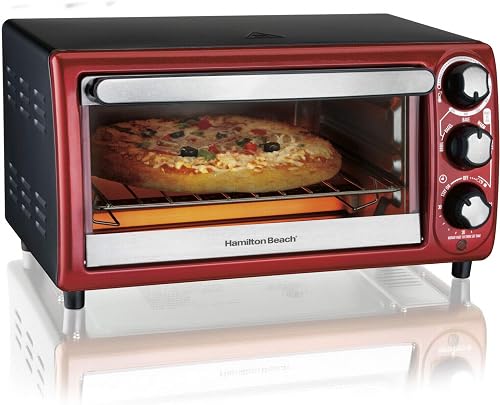
The glass door collects grease splatter from both sides. Clean the inner glass face with the same baking soda paste and wipe clean with a damp cloth. The outer glass wipes down with a damp sponge and a drop of dish soap. On the exterior housing, a damp cloth removes dust and fingerprints, and a microfiber cloth buffs stainless steel to a streak-free finish. Knob controls, like those on the Hamilton Beach 31146 ($72.85, 4.5 stars, 2,000 reviews), should be wiped around their base with a cotton swab to remove crumbs that collect at the edges. Avoid spraying any cleaner directly on the control panel.
Step 4: Reassemble and Run a Short Heat Cycle
Before plugging back in, make sure every part, especially the crumb tray and rack, is completely dry. Any moisture near the heating elements can cause popping or tripping the circuit. Once reassembled, plug in the oven and run it at 350 degrees F for about five minutes with nothing inside. This evaporates any residual moisture and burns off faint traces of cleaning solution. You may notice a brief, mild odor during this cycle, which is normal and clears within a minute or two. Let the oven cool again before using it for food.
How Often Should You Clean a Toaster Oven
The crumb tray should be emptied after every two or three uses, since accumulated crumbs are a fire hazard near the heating elements. A quick wipe of the interior after each use, while the oven is just barely warm, keeps grease from baking on and cuts deep-cleaning time dramatically. Do a thorough cleaning, interior walls, rack, door glass, and exterior, once a month for regular home use. If you use the oven daily or cook greasy foods like bacon or pizza regularly, every two weeks is more realistic. A 1,800-watt model reaching 450 to 500 degrees F bakes grease onto surfaces faster than lower-wattage budget units, so higher-end ovens may need more frequent attention.
Common mistakes to avoid
- Cleaning while the oven is still warm, which risks burns and can crack the glass door.
- Getting water or cleaning solution directly on the heating elements, which can damage them or cause shorts.
- Using steel wool or abrasive pads on non-stick or coated interiors, which strips the surface and makes future cleaning harder.
- Putting the crumb tray back before it is fully dry, trapping moisture near the heating elements.
- Spraying liquid cleaners directly inside the oven instead of applying them to a cloth first.
- Skipping the crumb tray for weeks, allowing crumbs to accumulate close to the heating elements and become a fire risk.
Frequently asked questions
Can I use oven cleaner spray inside a toaster oven?
Standard oven cleaner sprays are too harsh for toaster oven interiors. The chemicals can damage non-stick coatings and leave residue near heating elements that burns off with a strong odor or fumes when the oven heats up again. Stick to baking soda paste and warm soapy water, which handle most grease without any risk to the interior surfaces.
Is it safe to put toaster oven parts in the dishwasher?
Check your specific model's manual before putting any parts in the dishwasher. Most crumb trays and baking pans are dishwasher safe, but wire racks can rust if the dishwasher's drying cycle is very hot. The Nuwave 20802's accessories, for example, are better hand-washed to preserve their finish. When in doubt, hand washing with warm soapy water is always safe.
How do I get rid of the burnt smell after cleaning?
Run the empty oven at around 350 degrees F for five to ten minutes after cleaning to burn off any remaining cleaning solution residue. If the smell persists, wipe the interior again with a cloth dampened in diluted white vinegar, let it air dry for 30 minutes, then run another short heat cycle. Persistent burnt odor usually means some food residue was missed on the interior walls or under the heating elements.
Can I clean the heating elements directly?
No, the heating elements should never be scrubbed or wiped with a wet cloth. Most toaster oven heating elements are self-cleaning to a degree, burning off food residue when the oven heats up. If something drips on an element, let the oven cool, then use a dry brush to very gently remove any loose debris, keeping the brush away from electrical connections.
How do I clean burnt-on grease that baking soda paste will not remove?
For very stubborn spots, apply the baking soda paste and then spray a small amount of white vinegar over it. The fizzing reaction helps lift carbonized grease. Let it sit for 20 to 30 minutes, then scrub gently with a soft brush. Repeat if needed. Avoid scratching aggressively, especially on models with coated interiors like the Nuwave PRIMO, since the coating is what makes the surface easy to wipe clean in the first place.